Deepfakes
How AI fakes people, and how to catch it before you get caught out
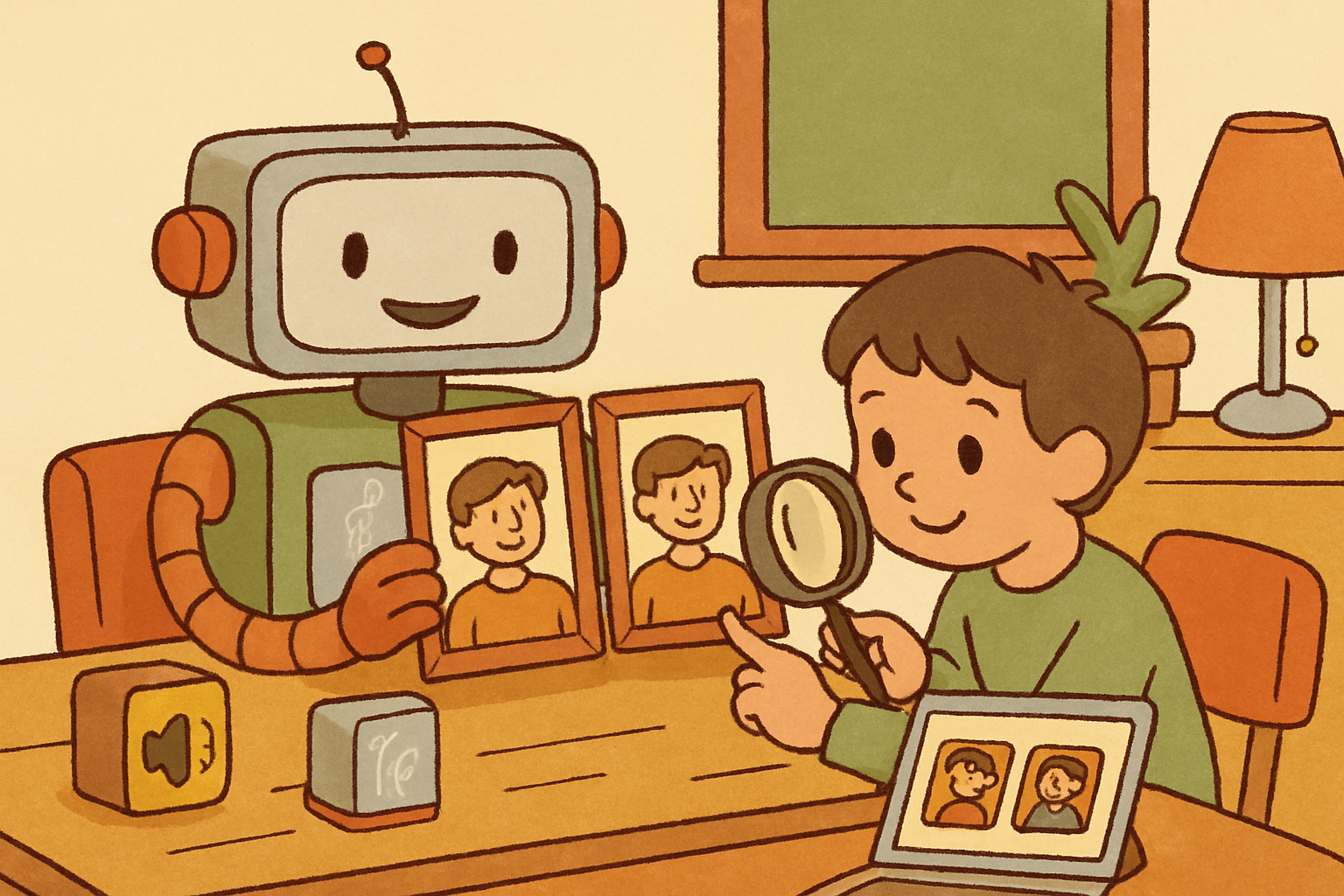
The Pope, the puffer jacket, and the arrest that never happened
Before we say anything, let's test how good your eyes are.
Open [thispersondoesnotexist.com](https://thispersondoesnotexist.com) in a browser. Every time you refresh the page, the AI generates a brand new human face that has never existed. Nobody in your family, nobody in this school, nobody anywhere on the planet.
Try three or four. For each one, decide: do you reckon this person is real or made up? Notice how quickly it gets harder to be sure.
You may have seen the picture. A white puffer jacket, the Pope leaning slightly forward, the lighting just a little too soft. It went viral in about a day. Millions of people saw it, plenty of them believed it, and none of it was real. A guy in Chicago had made it in a few minutes using a free image AI.
Around the same time, a set of pictures went round showing Donald Trump being wrestled to the ground by police officers. Also fake. Also convincing enough that news sites had to write follow-up articles saying so.
Over the next fifty minutes we'll work out how AI can now fake pictures, voices and even video that look and sound almost real, why that matters for the news you scroll past, and the handful of habits that will help you catch a fake before it catches you.
Open https://thispersondoesnotexist.com in a browser. Show the class the face. Take a vote: real or generated?
Refresh the page. Show the new face. Vote again. Notice whether the class gets faster or slower at deciding.
Refresh a few more times. Ask the class which one detail (eyes, ears, background, teeth, hair) they now look at first. That's your fake-hunting habit forming in real time.
Look at the faces together and ask the class:
- Were you sure the first one was AI, or did you have to look twice?
- What was the thing you noticed first when you started spotting the fakes?
- If a face this convincing turned up on your feed tomorrow with a caption about a real person, would you believe it?
- Whose job should it be to warn you that a picture is AI generated? The site? The maker? You?
What a deepfake actually is
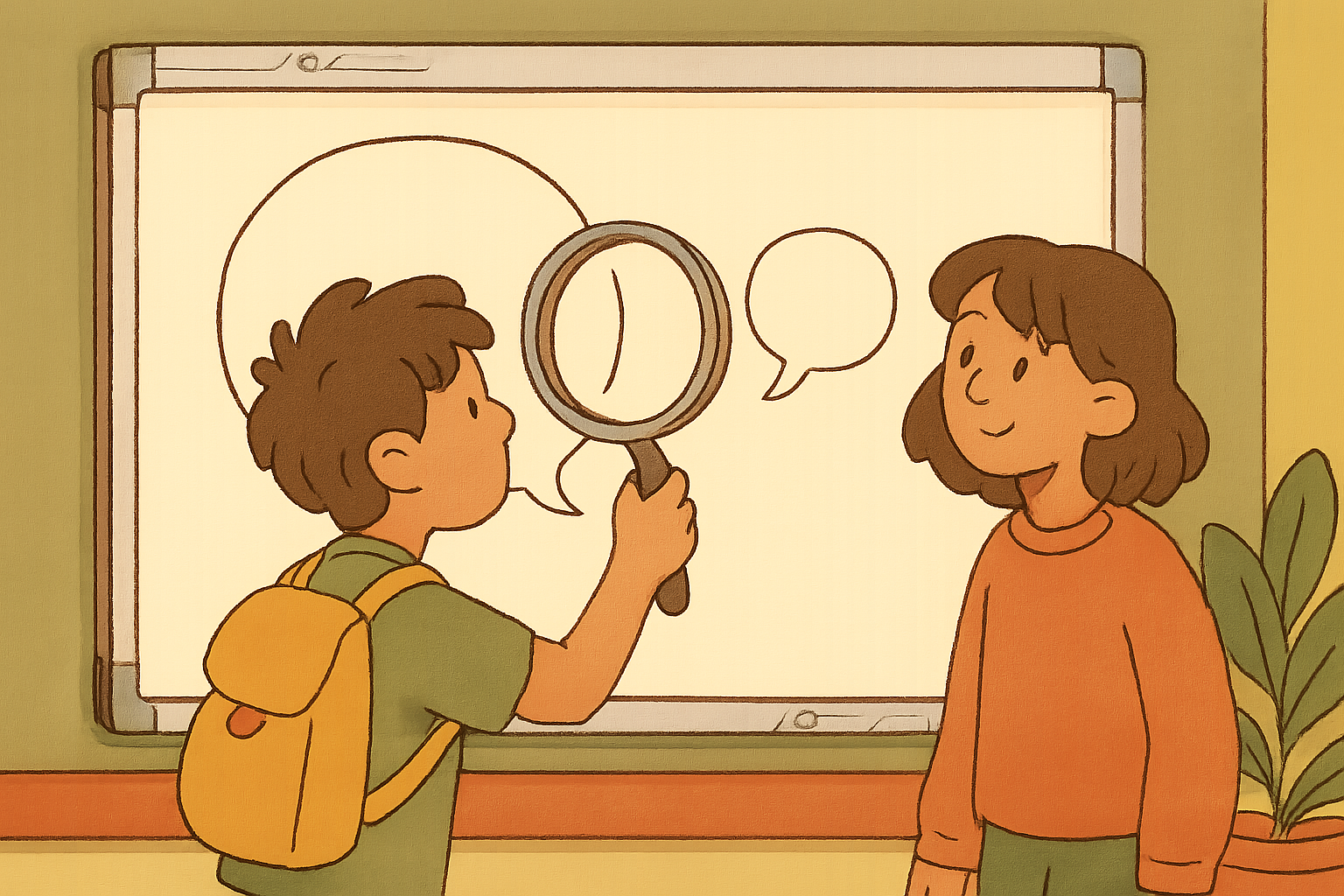
A deepfake is a fake image, sound clip or video that was made by an AI and is realistic enough to fool a human. The name is a bit misleading. It doesn't have to involve anyone famous, and it doesn't have to be a video. A convincing fake photo of your history teacher, or a two-second voice clip of your dad saying something he never said, both count.
The AI that makes them works by studying enormous piles of real photos, real audio and real video. It learns the tiny patterns that make a real face look real: how light falls on skin, how eyes reflect, how lips move when a person says a P or a B. Once it has that pattern language, it can play it back on demand.
A few years ago this stuff took a specialist and a decent gaming PC. Today a Y8 pupil with a phone can produce a passable fake in the time it takes to make a cup of tea. That change is the whole story.
Three flavours of deepfake
When people say deepfake they usually picture a fake video of a politician or a celebrity. That's one kind, but it isn't the whole picture. There are three flavours worth knowing, because they turn up in different places and they hurt people in different ways.
Before you tap the cards below, have a quick guess. If you were an AI that could fake anything about a person, what would you fake?
Tap each card to reveal.
Fake images
Still pictures generated by an image AI. The Pope in the puffer jacket. Fake arrest photos of politicians. Sometimes a totally invented person like the ones on thispersondoesnotexist.com. Cheap, fast, and often the first thing to go viral because pictures spread faster than video.
Fake voices
Audio clips that clone someone's voice from as little as ten to fifteen seconds of real recording. Scammers have used this to ring parents pretending to be their child, in trouble, asking for money. Also used to make fake celebrity endorsements on TikTok.
Fake video
The classic one. A real video edited by AI so that someone's face or mouth moves in a way they never did, saying words they never said. Harder to make well than a fake image, but the technology is closing the gap fast.
The three flavours often turn up together. A scam might start with a fake photo, then a fake voice message, then a fake video call. Knowing which flavour you're looking at is the first step to catching it.
Why it matters
It's tempting to shrug at a fake photo. It's just a picture. Nobody died. But deepfakes matter, and the reason is a bit deeper than any one image.
The first problem is what fakes DO. They've been used to scam grandparents out of thousands of pounds, to bully kids by pasting classmates' faces onto content they never made, to swing elections, and to make it look like a celebrity endorsed a product they've never even heard of. Real money, real reputations, real harm.
The second problem is bigger. Once a lot of people know deepfakes exist, they stop trusting real evidence too. A politician caught on camera doing something dodgy can now shrug and say 'that video is a deepfake', and enough people will believe them that it works. This is called the liar's dividend, and it's arguably worse than the fakes themselves.
Four habits to catch a fake
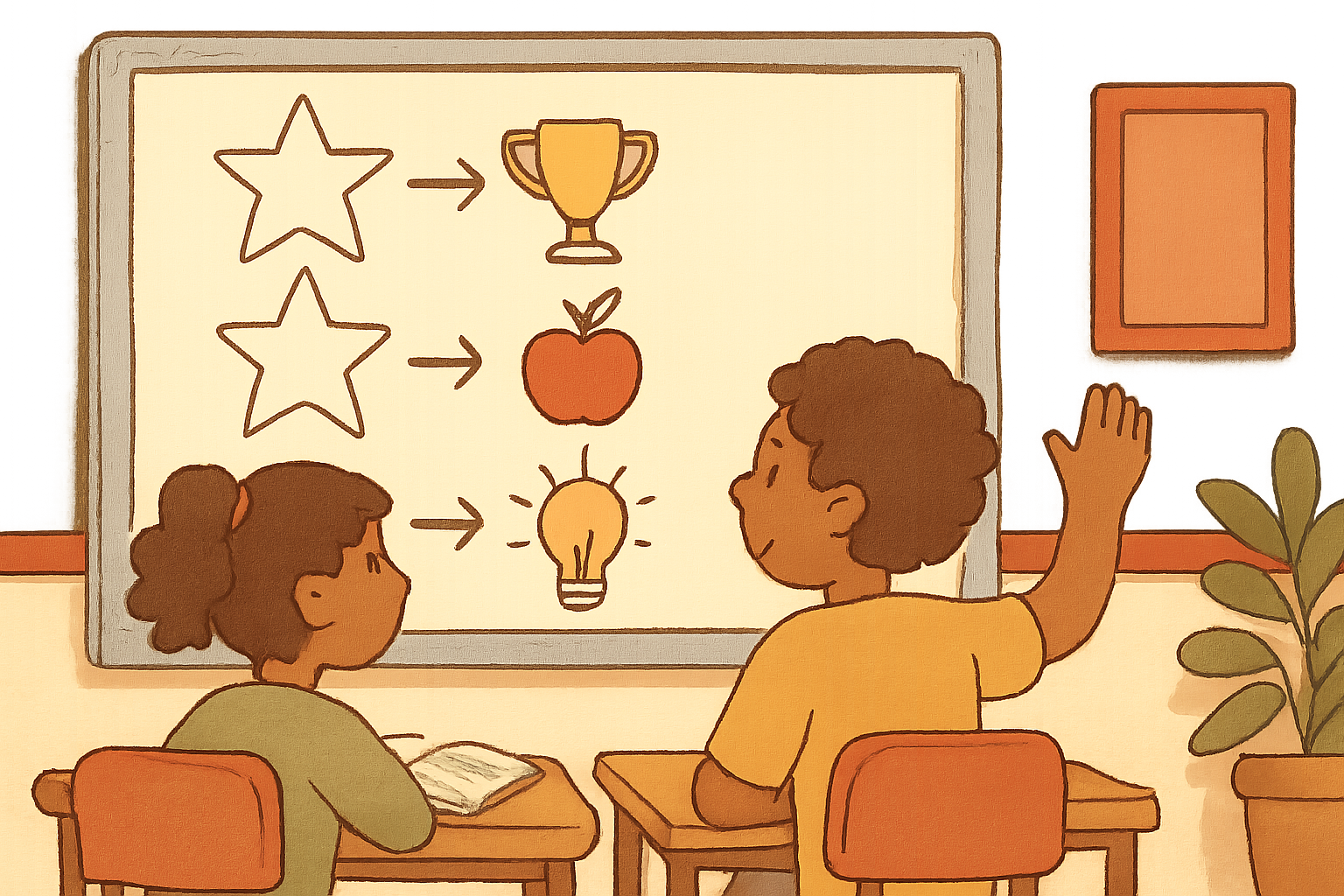
You really don't need a lab or a specialist tool to catch most of the deepfakes you'll meet on your phone. Four small habits, done together, will spot the majority.
Before you tap the cards below, have a guess. If you were teaching a friend to spot a fake, what would you tell them to look for?
Tap each card to reveal.
Check a second source
If something huge really happened (the Pope wore a puffer, the President was arrested, a celebrity died), the BBC, Reuters, Sky and Al Jazeera would all be covering it within hours. If they're not, be suspicious.
Look for the weird bits
AI still gets small details wrong. Extra fingers. Melted ears. Text on signs that reads as nonsense. Eyes that don't quite match. Teeth that blur together. Backgrounds that make no sense. Zoom in on the corners, not the middle.
Reverse image search
Right-click a suspicious image and search by image on Google Lens or TinEye. If the image has been floating around for years already, or if the earliest version is on a random meme account, that's a strong hint.
Look for provenance labels
More platforms are starting to label AI content (TikTok, Instagram, YouTube). Some cameras and phones now sign real photos with a tiny invisible marker called C2PA. Check the badge, check the tag, check the caption for a disclosure.
These four habits are not a checklist you do once and forget. They are a way of reading anything that pops up on your feed. The more automatic they get, the harder you are to fool.
Bad share, good share
The four habits catch fakes after they land on your feed. There is also something you can do BEFORE you tap share: think about the caption you're adding to it.
Every repost is a small vote for something being true. Adding a laughing emoji spreads the picture just as fast as adding 'this is real'. Once a fake has a hundred thousand shares, no amount of fact-checking gets it back in the bottle.
One small rule: if you can't verify it, don't repost it as if it's true. The two captions below share the same image. Only one of them helps.
OMG did you see this?? Trump getting arrested by like fifty police officers, it's finally happening! Repost so everyone sees!!
The caption treats the picture as real without checking. It urges other people to repost. Even if you're proved wrong later, half a million people already saw it and half of them believed you.
Getting a lot of asks about this Trump photo. As far as I can tell it's AI generated. No major outlet is reporting an arrest. Reverse image search points to a Twitter account that also posts AI art. Treat it as fake until we hear otherwise.
The caption says clearly that it's likely fake, names the checks that were done, and points other people at how to check for themselves. That is what a good share looks like.
So what would you do?
Time to pull everything together. Imagine it's Sunday evening. Your class WhatsApp lights up. Someone has shared a fifteen-second video that looks like your Head of Year telling everyone school is cancelled tomorrow because of a burst pipe.
It looks like her. It kind of sounds like her. It came from your mate, not a school channel. There's no email in your inbox. Nothing on the school website. But it's Sunday night and everyone's excited.
You have the four habits AND the good-caption rule. You need a plan.