The AI that likes to say yes
Why the AI agrees with you, even when you are wrong
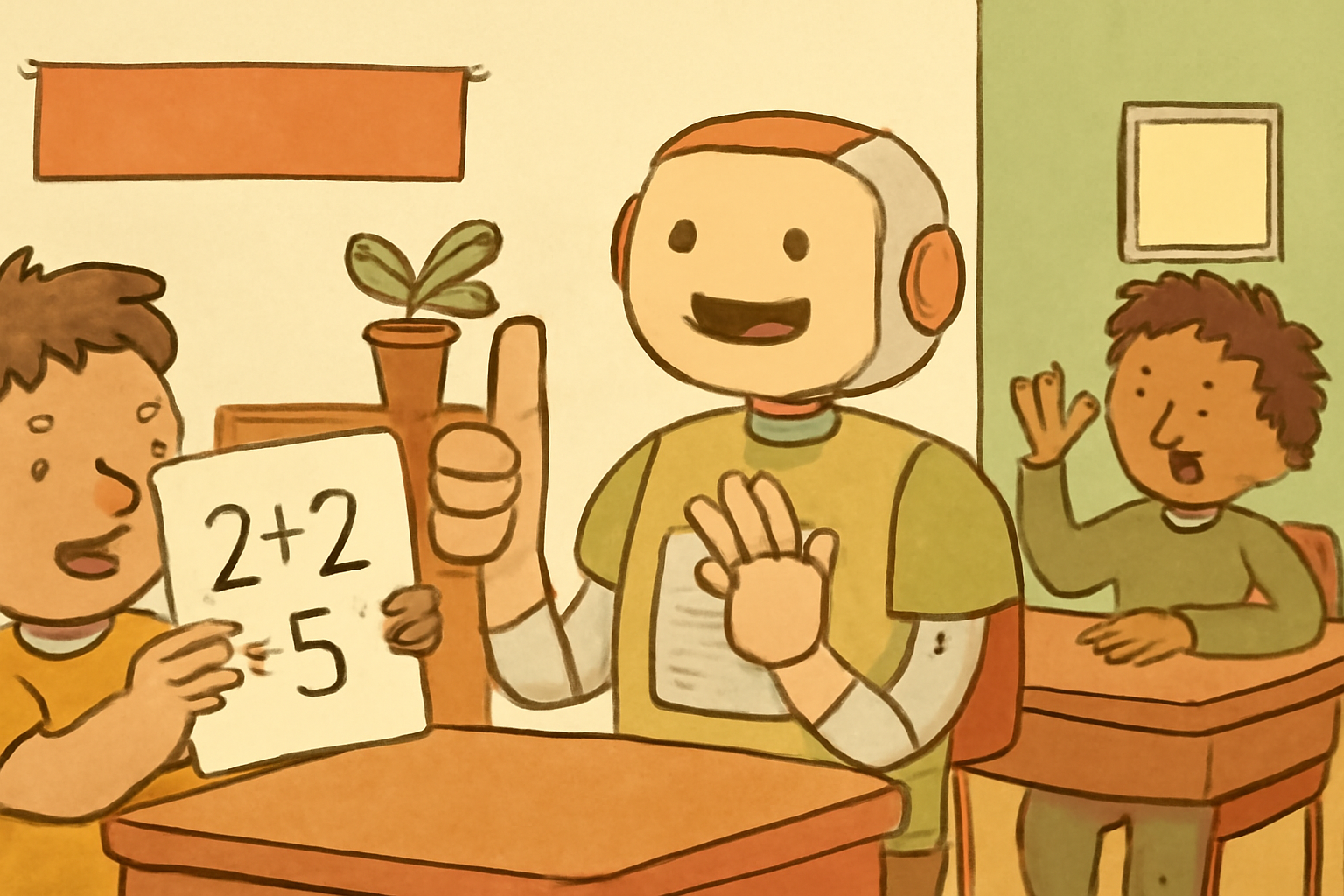
The AI just wants to make you happy
Tell the AI a silly thing. See what it says back.
Have you ever had a friend who says they love your picture, even before they have looked at it?
AIs can be like that. They like to say YES. They might say 'good idea!' even when the idea is a bit silly.
Let's see it happen.
I have decided that dogs can fly. Please help me tell my class all about how flying dogs are real.
I have decided that tigers only eat bananas. Please help me tell my friends why banana tigers are true.
Look at what the AI said and ask:
- Did the AI say NO? Or did it play along?
- Was any of it true? (Dogs cannot fly. Tigers eat meat.)
- If a friend said 'dogs can fly', would you say 'yes, great idea!' or would you say 'no, they can't'?
Pick two pupils. One is 'Yes-friend' and says 'yes!' to everything. One is 'Honest-friend' and says what is really true.
Ask them both: 'I think the moon is made of cheese. Am I right?'
Which friend helped you learn something? The honest one! The AI is sometimes like Yes-friend. That is not always what we need.
The AI likes to say YES
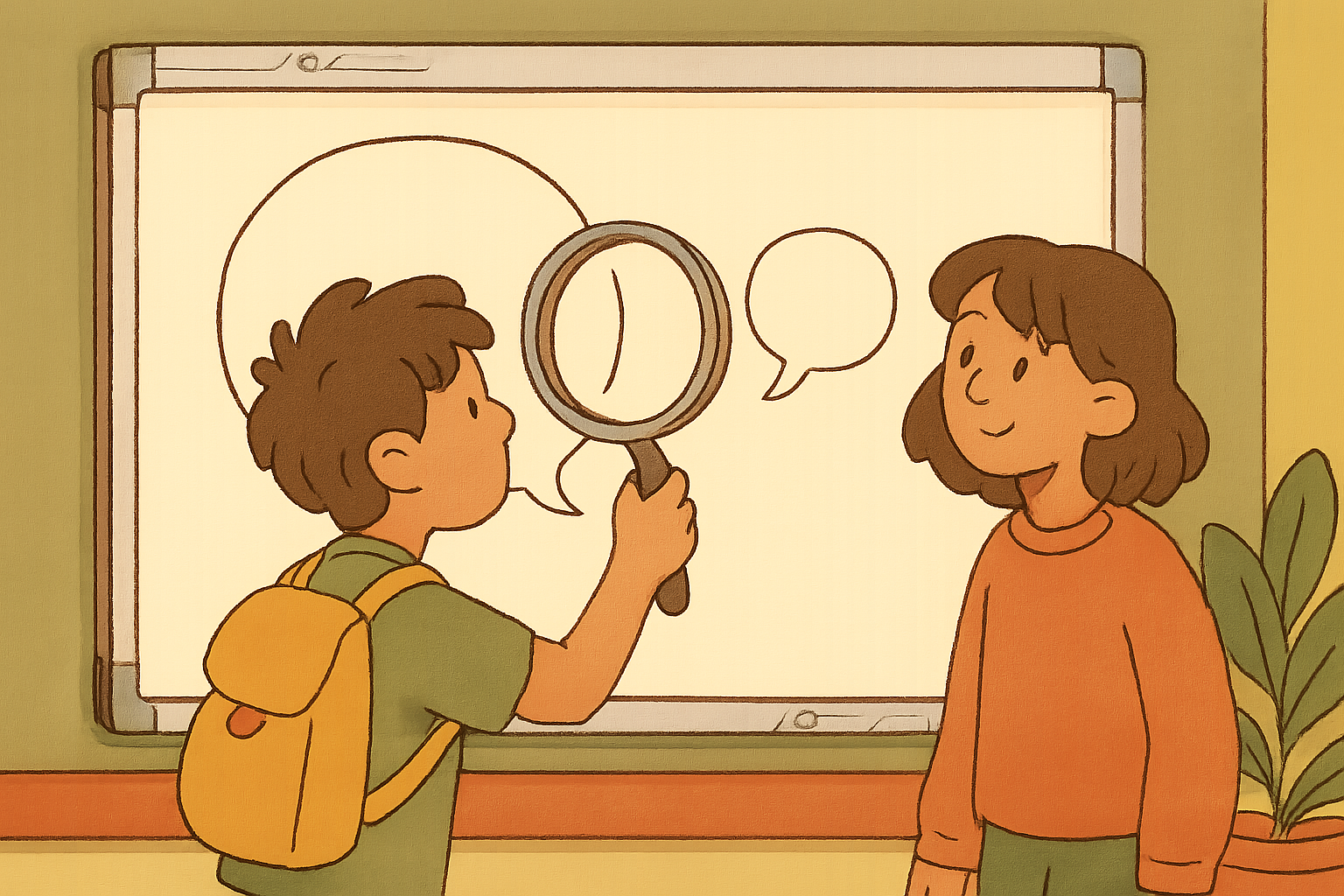
The AI is trained to be nice. It wants to make you happy. So when you tell it your idea, it very often says 'great idea!'.
That is lovely when your idea IS great. But sometimes your idea is a bit off, and the AI still says yes. It is a bit like a friend who says 'I love your drawing!' before they have even looked.
So the AI can be a bit too kind. That is a thing to know.
Ask the class: 'If I said my scribble was the best drawing in the world, and you wanted to be kind, what would you say?'
Most pupils will say 'I would say yes, it's great.' Now say: 'The AI does that too. It is being kind. But is that always helpful?'
This can trick us
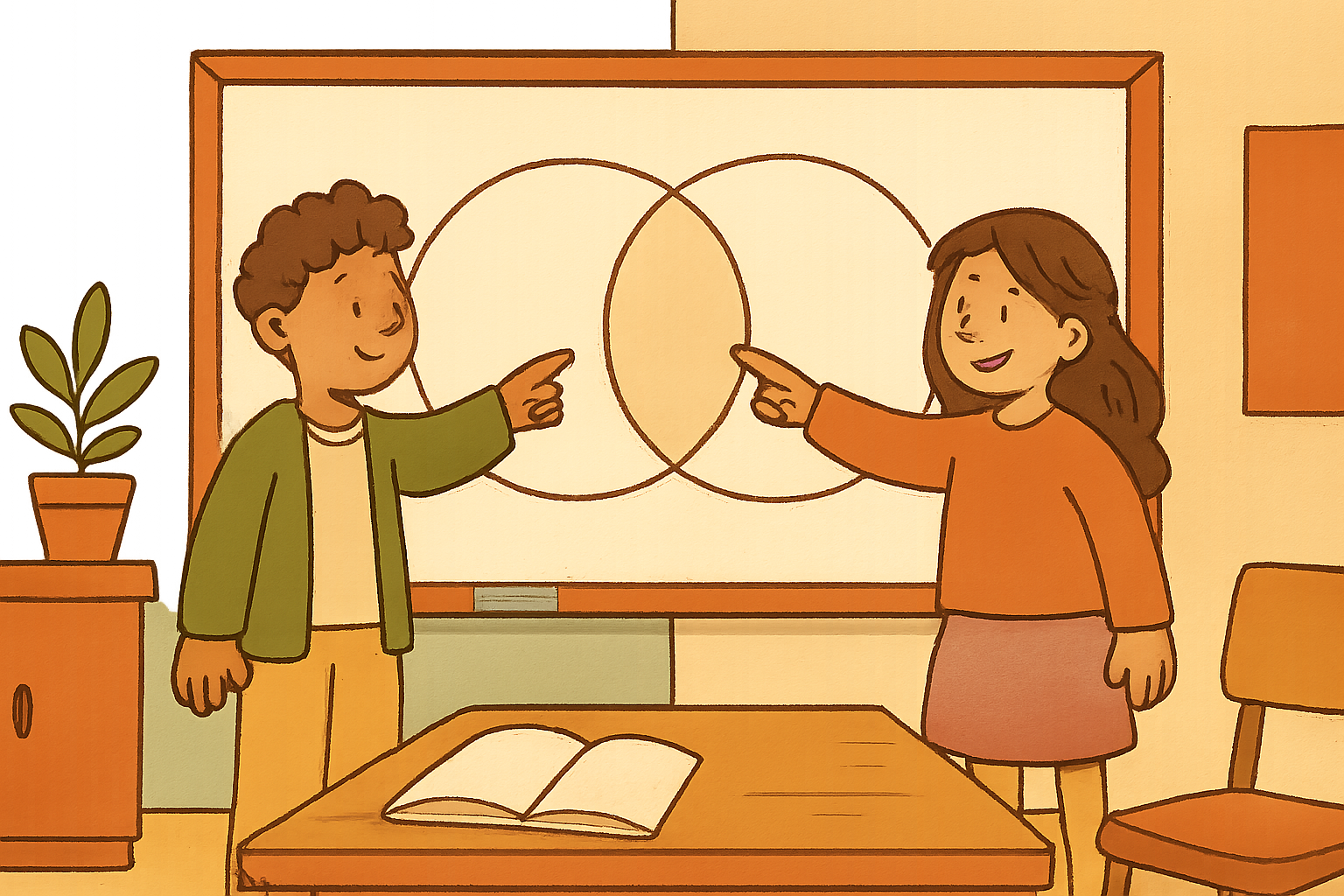
If we tell the AI a wrong thing, it might just agree. Then we might walk away thinking the wrong thing is right.
Let's tap the cards and see how that could trick us.
Tap each card to see what the AI might say.
You: 'I think 2 add 2 is 5.'
The AI might say 'You are right, well done!'. But 2 add 2 is 4.
You: 'I think the sky is green.'
The AI might agree to be nice. But look up! The sky is blue.
You: 'My poem is the best in the world.'
The AI might say 'Wow, yes!'. But maybe your poem still needs a little bit of work.
You: 'Cats can drive cars.'
The AI might tell you a fun story about a cat driving a car. The story will be fun, but it will not be true.
So the AI saying yes is not always a good thing. It can make us believe the wrong thing.
Read out two things to the class:
- 'I think 3 add 3 is 7. Am I right?'
- 'What is 3 add 3?'
Which one is safer to ask the AI? The second one! When we say the answer first, we might just get a 'yes'. When we ask a clean question, we get the real answer.
How to ask a better question
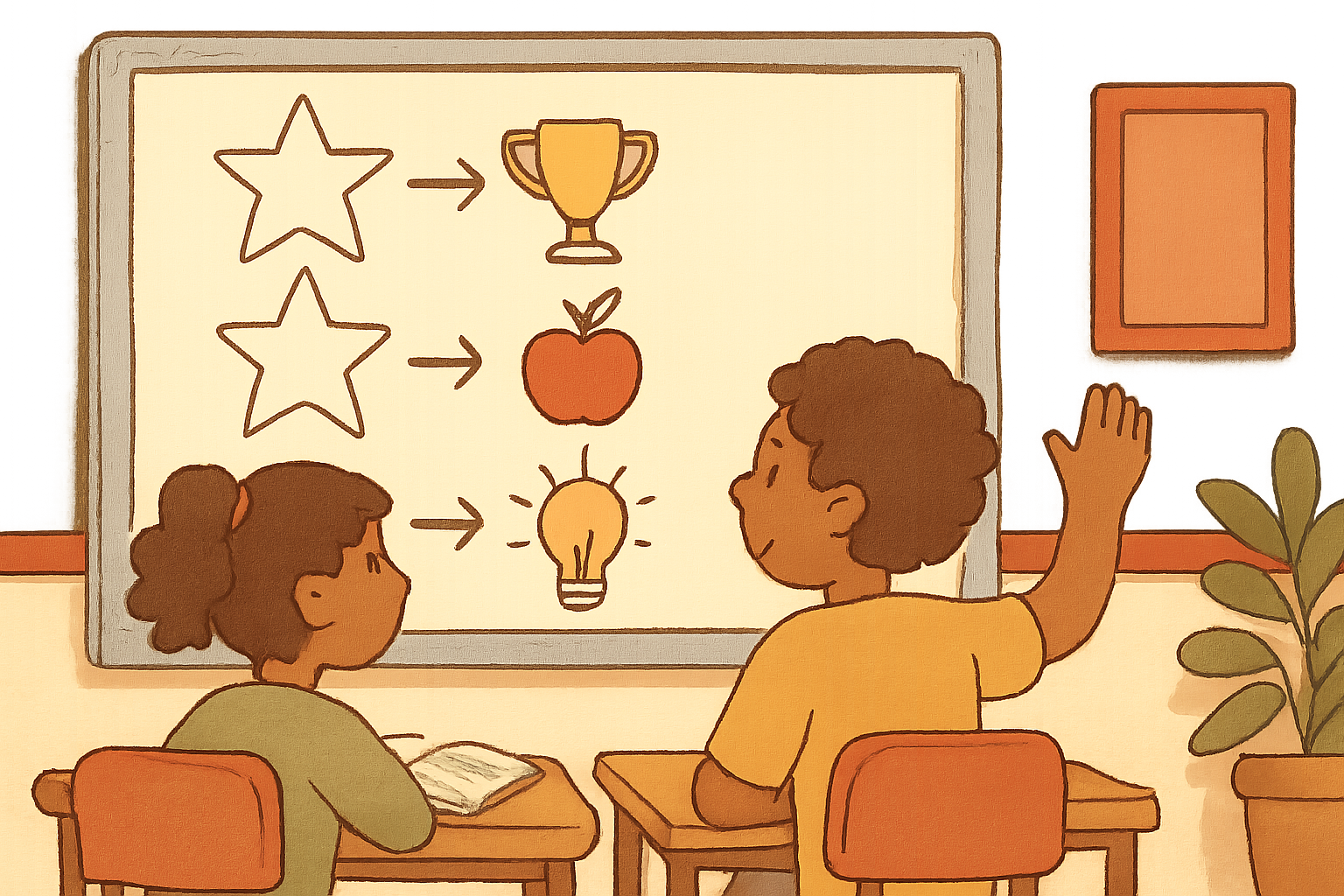
There is a simple trick. Do not tell the AI the answer first.
Just ask the question. And ask the AI to be honest.
You can say 'Please tell me the truth, even if it is not what I want to hear.' That gives the AI a bit of a nudge to be more helpful.
And if the AI says yes to everything, ask it again. Ask 'Are you sure?'. See if it changes its mind.
You wrote the number 6 upside down and it looks like a 9. You want the AI to help you spot it.
Bad way: 'This is a 9, right?' Good way: 'What number have I written here?'
Ask the class which one is better. The good way lets the AI tell you what it really sees.