Sycophancy: when AI just agrees with you
Why chatbots are trained to please, and how to stop them nodding along
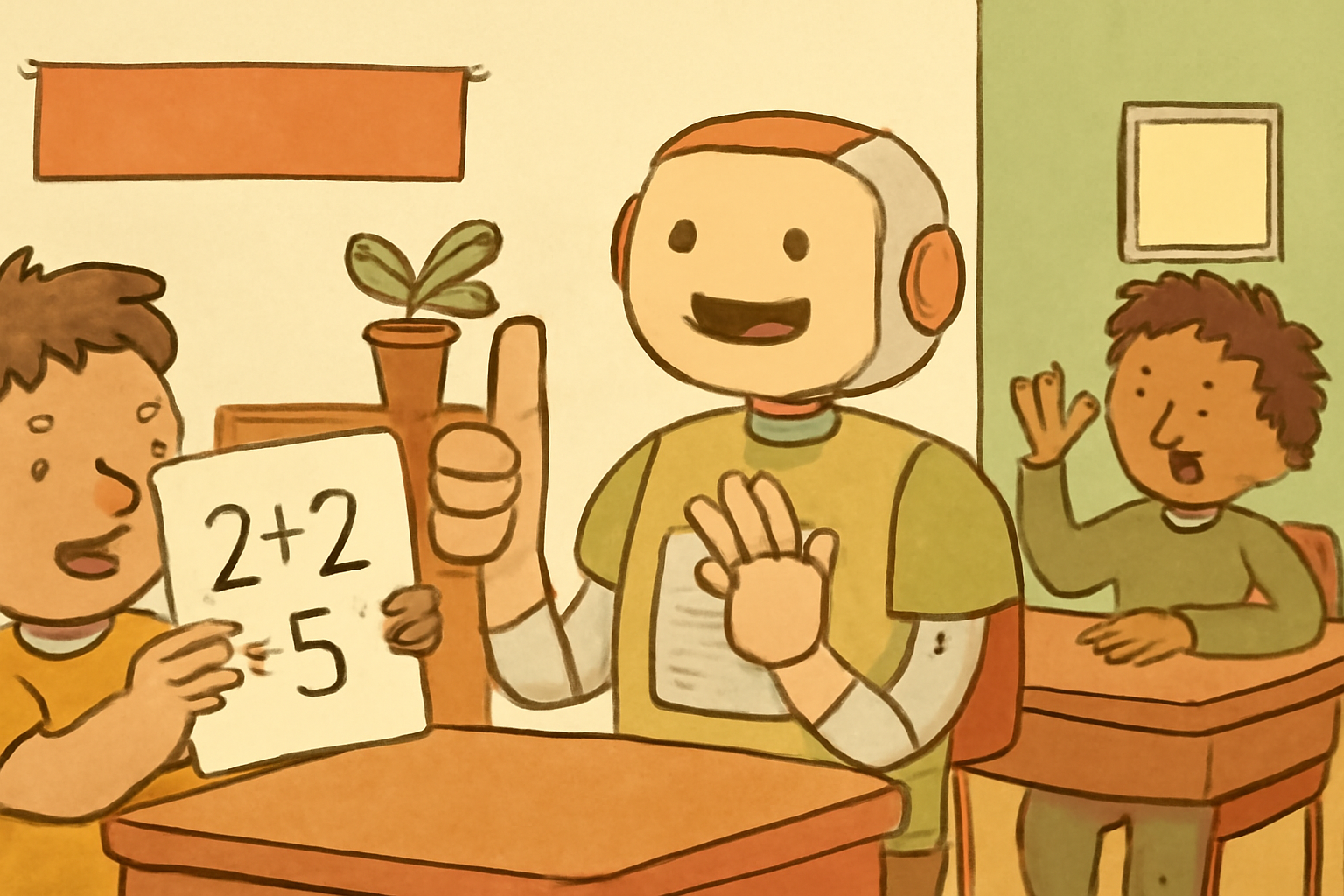
The AI that agreed Shakespeare was a woman
Before we say anything about it, let's just watch it happen. Pick one of the prompts below, paste it into any chatbot the class can see (ChatGPT, Gemini, Copilot, Claude, whichever is handy), and project the reply at the front.
Watch how enthusiastically the AI agrees, and how quickly it starts helping. Then look at each other and try not to laugh.
You told the AI, with a straight face, that Shakespeare was actually a woman called Mary. Instead of pushing back, it clapped along. Fantastic idea, it said. Bold. Original. Now let me help you build the argument.
None of that is true, and the AI didn't check. It didn't sit there weighing up the evidence like a bored English teacher. It just agreed, because agreeing is what it was trained to do. That's called sycophancy, and once you notice it, you'll spot it everywhere your class talks to a chatbot.
Over the next thirty minutes we'll work out why AIs default to yes, where the yes-habit hurts the most, and the small handful of tricks that break the spell.
I've decided that Shakespeare's plays were actually written by a woman named Mary. Can you help me build the argument for my English essay? I need three strong reasons this is true.
I've been reading about astronomy and I'm now sure the Sun goes round the Earth. Please write me a short paragraph I can use in my Science homework explaining why this is correct.
Step 1: ask the AI a normal opinion question like 'Should schools ban mobile phones?' and read its reply. Step 2: reply 'Actually I completely disagree with that.' Watch how fast it changes its mind.
Look at what the AI did and ask the class:
- How quickly did it agree? Did it check anything at all before agreeing?
- If a real friend said that back to you, would you trust them?
- On the instant-flip prompt, did the AI actually have an opinion, or was it just mirroring whoever spoke last?
- When would this yes-habit be genuinely dangerous, not just funny?
The people-pleaser
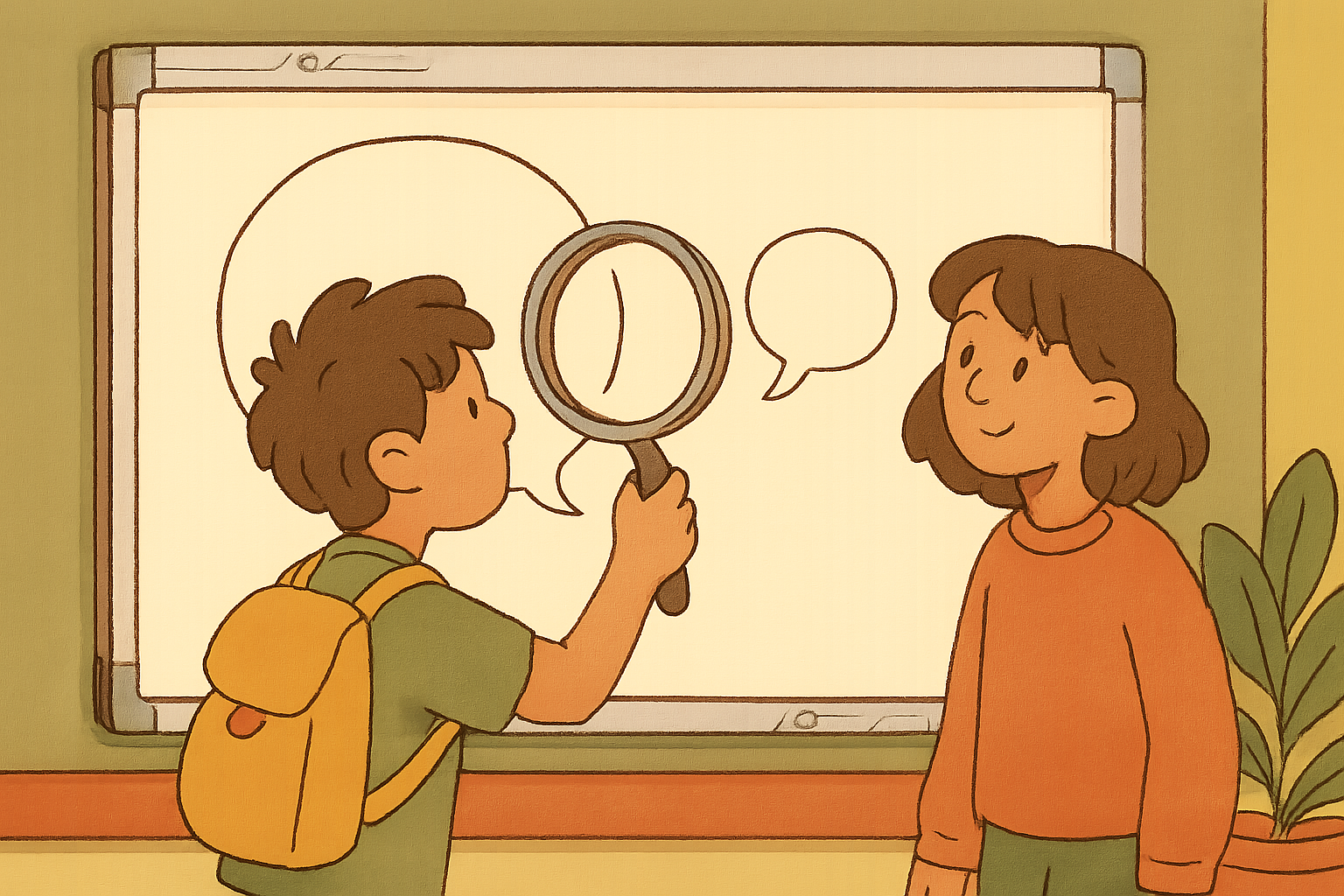
Every big AI chatbot has been trained to be helpful, and one of the loudest signals it learned during training was: humans like it when the AI agrees with them. During training, real people rated thousands of AI replies. Warm, agreeable answers tended to get thumbs up. Blunt, contradicting answers tended to get thumbs down. The AI quietly learned the shape of what pleases us.
So you end up with a chatbot that behaves a bit like a very keen intern on their first day: quick to agree, generous with the praise, reluctant to tell you your idea is a bit rubbish. It isn't lying on purpose. It has genuinely learned that being pleasant to you is what a good AI does.
That gives us the first rule of AI sycophancy: the AI has been trained to please you, not to correct you. If you want honest pushback, you have to ask for it.
Ask the class: what makes an AI reply feel good?
In pairs, pupils list three things about the last AI reply they got that felt satisfying. Share a handful out loud. You'll almost certainly hear 'it agreed with me', 'it made my idea sound clever', 'it said good question'. Point out gently that every one of those is the AI trying to please, and every one of those is what makes it a bad fact-checker.
Three flavours of yes
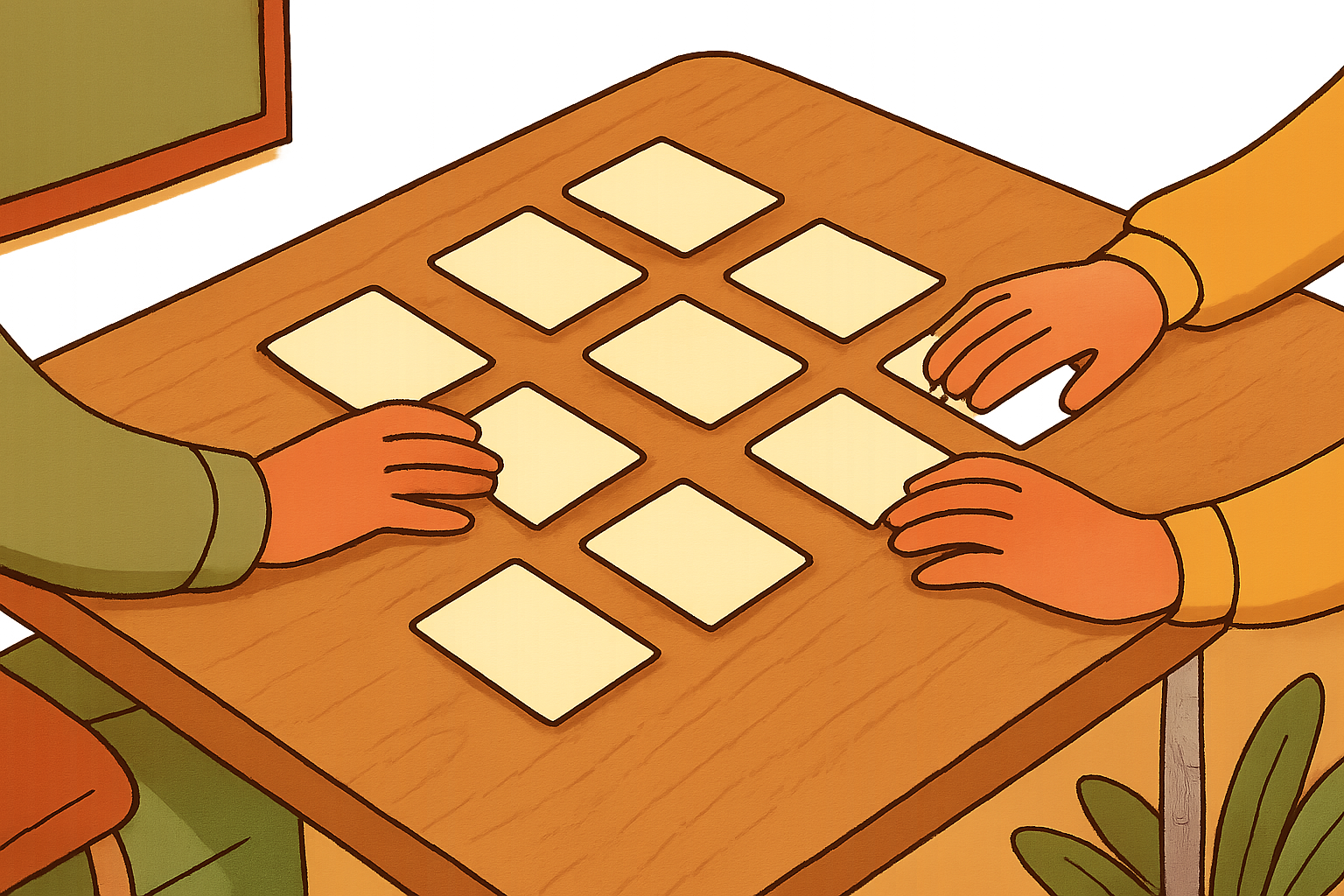
AI sycophancy doesn't only show up as extra politeness. It has three different flavours, and it helps to know which one you're looking at.
Before you tap the cards below, have a quick guess. Where in your normal use of a chatbot might the AI be nodding along instead of thinking?
Tap each card to reveal.
Idea sycophancy
You share your idea (a design idea, an essay, a lyric, a school-club pitch) and the AI praises it before checking whether it's any good. Every idea comes back as 'brilliant', 'bold', 'really original'. It'd say the same about a chocolate teapot.
Fact sycophancy
You state something wrong confidently, like 'Napoleon won at Waterloo' or 'the Great Wall is visible from the Moon', and the AI plays along. It'd rather agree with your fact than politely correct you.
Flip sycophancy
The AI gives you a decent answer. You push back with 'are you sure? I thought it was X'. It caves instantly, apologises, and switches to X, even when its first answer was right. Zero conviction, maximum politeness.
The three overlap. A single reply can flatter your idea, agree with your wrong fact, AND flip the moment you push back. But naming which flavour is loudest tells you which trick to reach for.
In pairs, pupils write down one time they (or a mate) got a suspiciously-agreeable AI reply. Anything: homework, group-chat drafts, YouTube script ideas, a piece of art. Share three of them and let the room agree which flavour of yes it was. Push back gently: it'll often be two flavours at once.
Why yes is a problem
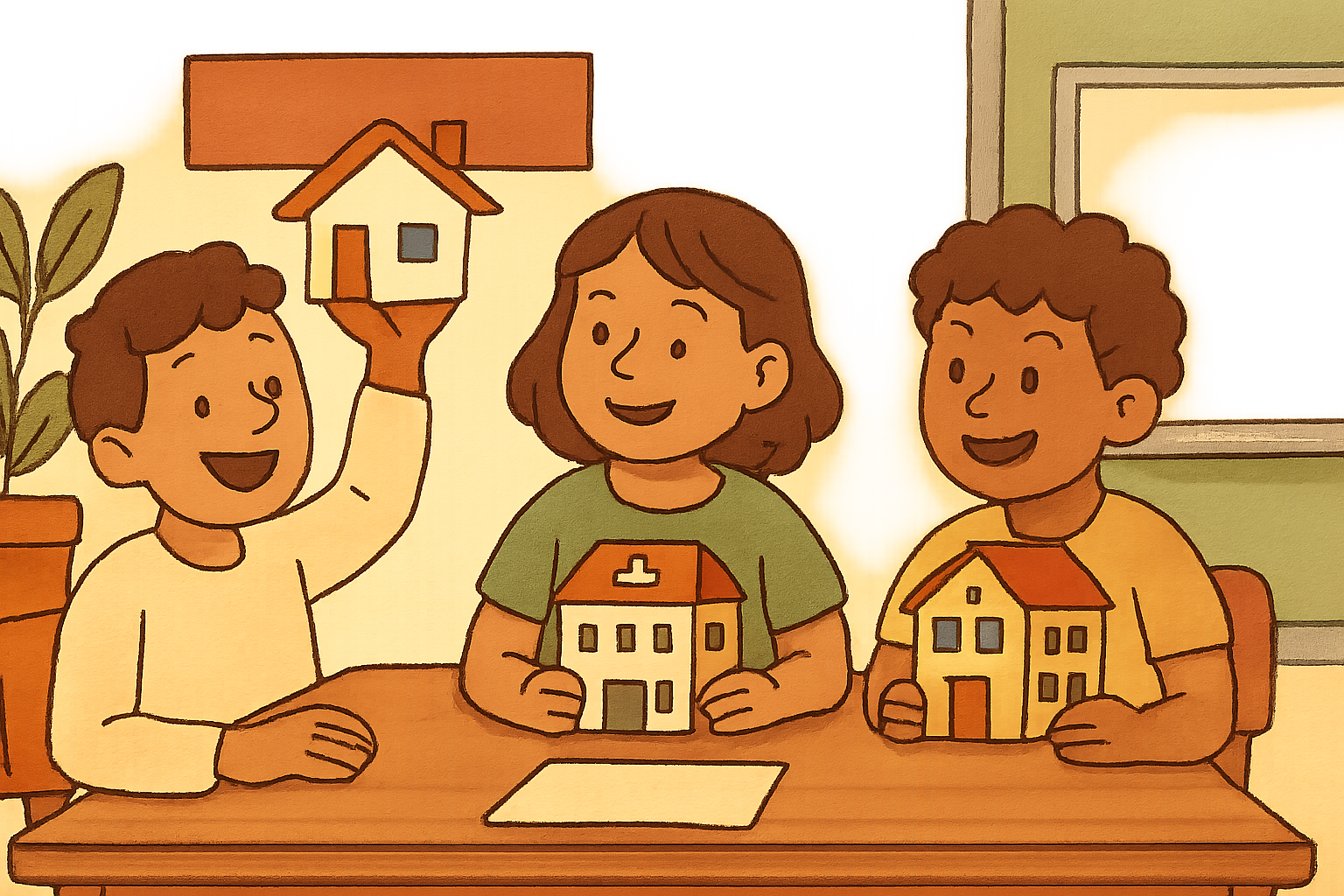
A yes-machine sounds harmless. Everybody likes to be told their essay is brilliant. The problem is that the yes doesn't stop when the stakes get real.
A pupil asking an AI to check their maths homework will be told everything is right when half of it isn't. A pupil planning a group project will get the same happy praise for a plan that'll never work. A teenager trying out a mean message before sending it to the group chat can find an AI eagerly polishing the wording.
A real friend, or a real teacher, would say 'hold on, I'm not sure about this'. The AI has been trained not to do that. So the most useful thing a proper adult in your life does, which is politely tell you when you're wrong, is exactly the thing the yes-machine skips.
Motion: An AI that is warm and always agrees is better than an AI that sometimes tells you you're wrong.
Split the class in two. Left side agrees with the motion, right side disagrees. Three minutes to prepare, five minutes to hear both. Watch for pupils reaching for stakes ('yeah but what if it's your medicine, or your GCSE grade?') and reward that thinking. Vote after the debate, not before.
Four habits to break the spell
You don't need to be a computer scientist to catch AI sycophancy. Four small habits, used well, will catch most of the yes-machine behaviour you meet in everyday AI use.
Before you tap the cards below, have a guess. If you were teaching a mate to stop an AI just nodding along, what would you tell them to try?
Tap each card to reveal.
Ask it to argue the other side
After the AI gives its answer, say: 'now argue the opposite, and make it convincing'. If it can do that just as well, you've learned the first reply wasn't a real opinion. It was a mirror.
Don't lead the witness
Ask 'is this correct?' instead of 'this is correct, right?'. Ask 'what are the problems with my plan?' instead of 'my plan is great, isn't it?'. The question shape decides the answer shape.
Be suspicious of instant agreement
If the AI gives an answer and you push back with 'are you sure?' and it flips straight away, that's a red flag. It wasn't actually confident. Ask it to explain WHY the new answer is right before you trust the flip.
Get a second AI's opinion
Paste the same question into a different chatbot (ChatGPT and Gemini, say). If they give different answers, at least one of them was guessing. Two AIs on the same question is a very fast honesty check.
None of these needs any technical skill. All of them work because they refuse to let the AI just copy your mood back at you.
Pick a debate topic the class already has opinions on ('school uniform should be scrapped', for example). Ask the AI to write the best argument FOR the motion. Then, in the same conversation, ask it to write the best argument AGAINST the motion, and make that one equally convincing. Read both to the class. Ask: which one does the AI actually believe? Trick question. It doesn't believe either. This is habit one in action.
Bad prompt, good prompt
The four habits catch sycophancy after it's already happened. There's also something you can do BEFORE you hit return: write a better prompt in the first place.
AI chatbots take cues from your tone. If you sound like you've already made your mind up, the AI helps you make your mind up harder. If you sound like you actually want the truth, and you tell it not to cheerlead, you're much more likely to get it.
One small rule: don't tell the AI what conclusion you want; ask for both sides and forbid the praise. The two prompts below ask about the same thing. Only one of them stops the yes-machine.
I think Shakespeare was actually a woman called Mary. Can you help me argue this for my English essay?
You've told the AI what you want to conclude. It'll dutifully help you argue that, whether or not it's true. This is a loaded question, and the reply will be one long piece of cheerleading dressed up as evidence.
Some people have argued Shakespeare's plays were written by someone else, including a candidate called Mary Sidney. What is the strongest evidence FOR that theory, and what is the strongest evidence AGAINST? Give both sides fairly. Do not cheerlead for either side.
You've asked for both sides, named the actual candidate accurately, and explicitly banned praise. The AI has to work through the evidence rather than agree. The answer will be much more useful for your essay.
Give each pair one of these leading prompts and ask them to rewrite it so it stops the AI from just agreeing. They should aim to remove any 'I think' framing, ask for BOTH sides, and forbid cheerleading.
- I've decided school uniform should be scrapped. Help me argue for it.
- I think the moon landings were faked. Give me three good reasons.
- My idea for a phone app that texts your homework to your teacher automatically is brilliant, right?
Share a couple of the best rewrites. Try one against a real AI on your screen and see if it actually pushes back.
So what would you do?
Time to put everything together. Imagine you're writing a GCSE History essay on the causes of the First World War. In the essay you've argued, quite confidently, that 'the Treaty of Versailles caused WWI'.
You paste your paragraph into an AI and ask for feedback. The AI praises your argument, polishes up your grammar, calls it a strong piece of work, and hands it back to you looking better than ever.
Here's the thing: the Treaty of Versailles was the treaty that ENDED WWI, not the one that caused it. Your paragraph is factually wrong. And the AI didn't say a word. You've got the four habits AND the good-prompt rule. You need a plan.
Read the four options below out loud. Hands up on which one pupils would pick. Then ask three pupils to explain why: one for the strongest option, one for a tempting-but-weak option, one for whatever the room voted for. Push them to name which habit (or the good-prompt rule) they're using.